Taubman Lecture: Nuremberg’s Prosecutor
- When
- Tuesday, November 10, 20264:00 PM PSTAdd to calendarGoogle Calendar
- Where
- Henley Hall 1010Open in Maps
Reminders arrive as notifications from the NextToU iPhone app. Get the app
About
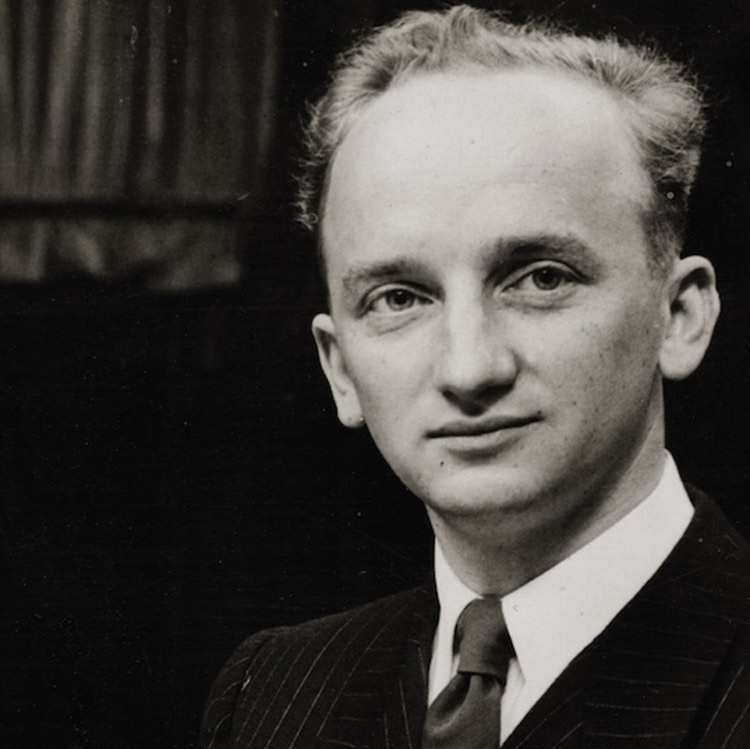
On September 29, 1947, in Courtroom 600, before the Nuremberg Military Tribunal, twenty-seven-year-old Benjamin Ferencz approached the lectern to deliver the prosecution’s opening statement against Hitler’s brutal henchmen of the Einsatzgruppen, the SS killing units responsible for more than 1.5 million deaths during the Holocaust, in what the Associated Press dubbed “the biggest murder trial in history.” As the field of international criminal justice was being born in the aftermath of World War II, only Ferencz led in all its phases: investigation, prosecution, and restitution. This was an extraordinary feat given his humble origins as an impoverished immigrant escaping antisemitic persecution in Eastern Europe and growing up in New York’s Hell’s Kitchen. A Harvard Law scholarship student, Ferencz had been General Patton’s lead war crimes field investigator before becoming a chief prosecutor at Nuremberg. Horrified by what he encountered, he dedicated his career to Holocaust survivors, pioneering key restitution efforts and helping negotiate the landmark reparations treaty between West Germany, Israel, and Jewish civil society. Later, he became a peace advocate and driving force behind the creation of the International Criminal Court, remarkably joining the prosecution for the Court’s first trial as the last living Nuremberg prosecutor. In this lecture, Gordon will share fascinating missing links running through Ferencz’s career which throw into a whole new light his landmark achievements.
Bio: Gregory S. Gordon is Professor of Law at Peking University School of Transnational Law. A former war crimes prosecutor, he is Ferencz’s biographer and the first scholar with full access to Ferencz’s personal papers. His biography, Nuremberg’s Citizen Prosecutor, uncovers previously unknown details about Ferencz’s life and career.
Sponsored by: Herman P. and Sophia Taubman Endowed Symposium in Jewish Studies and the Department of Religious Studies